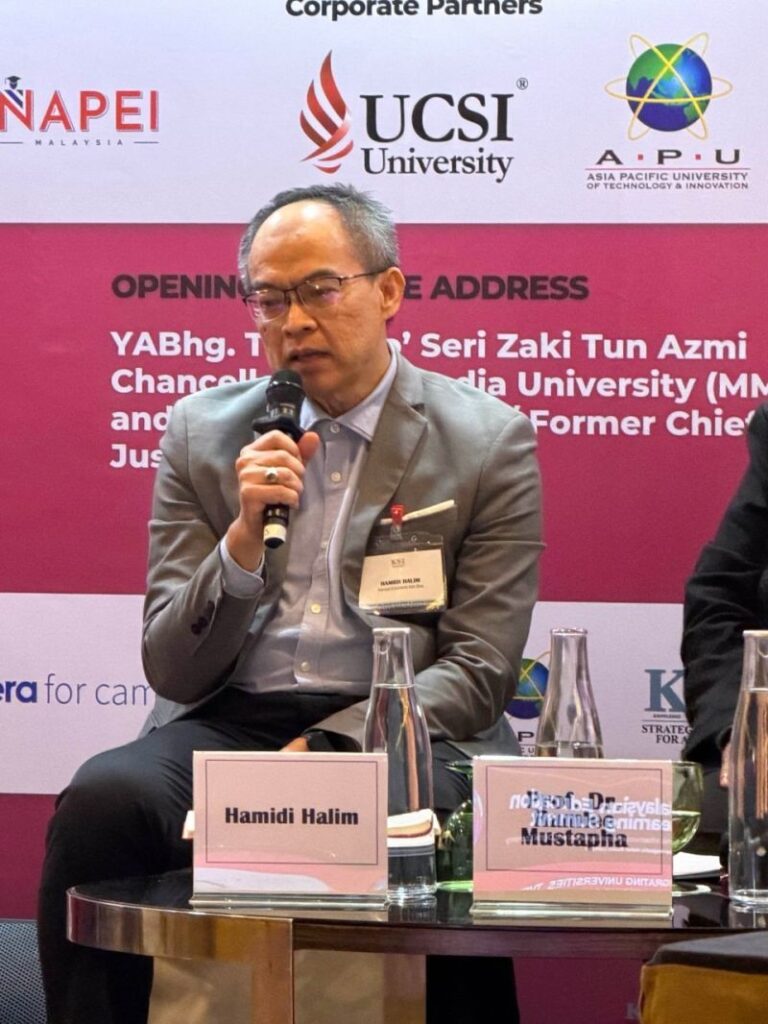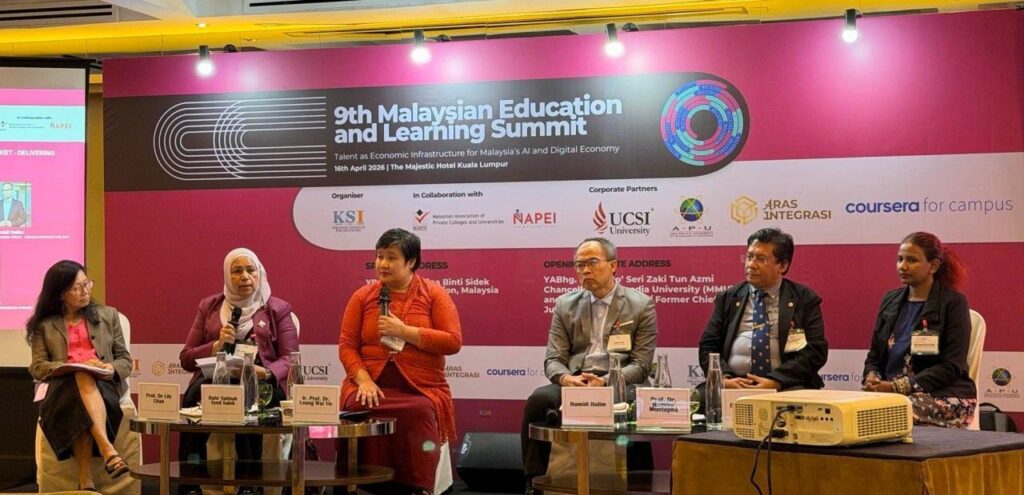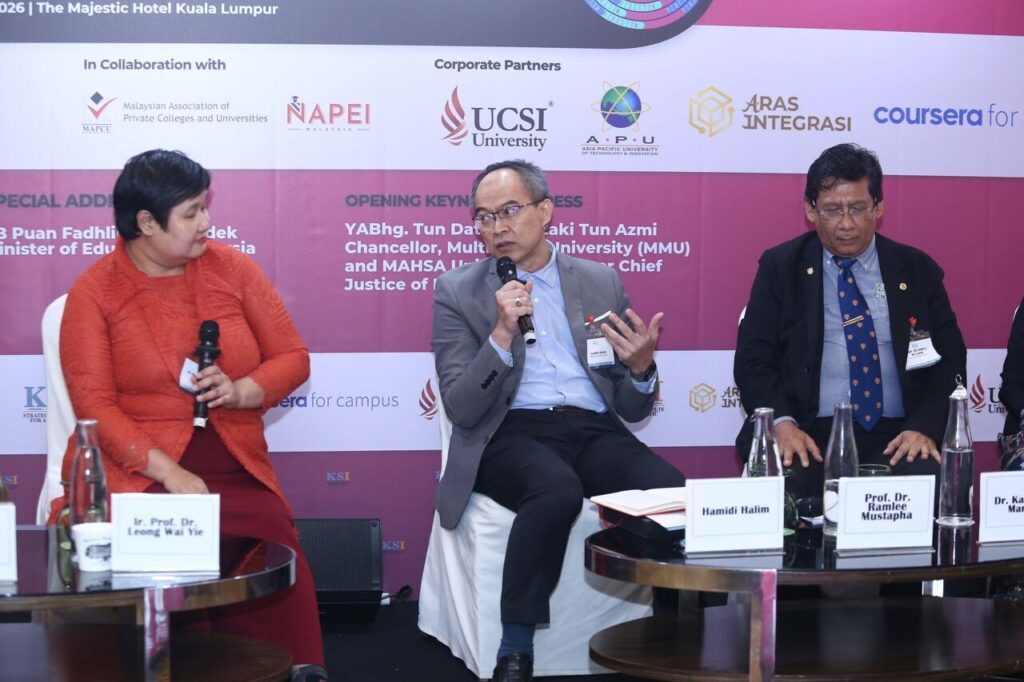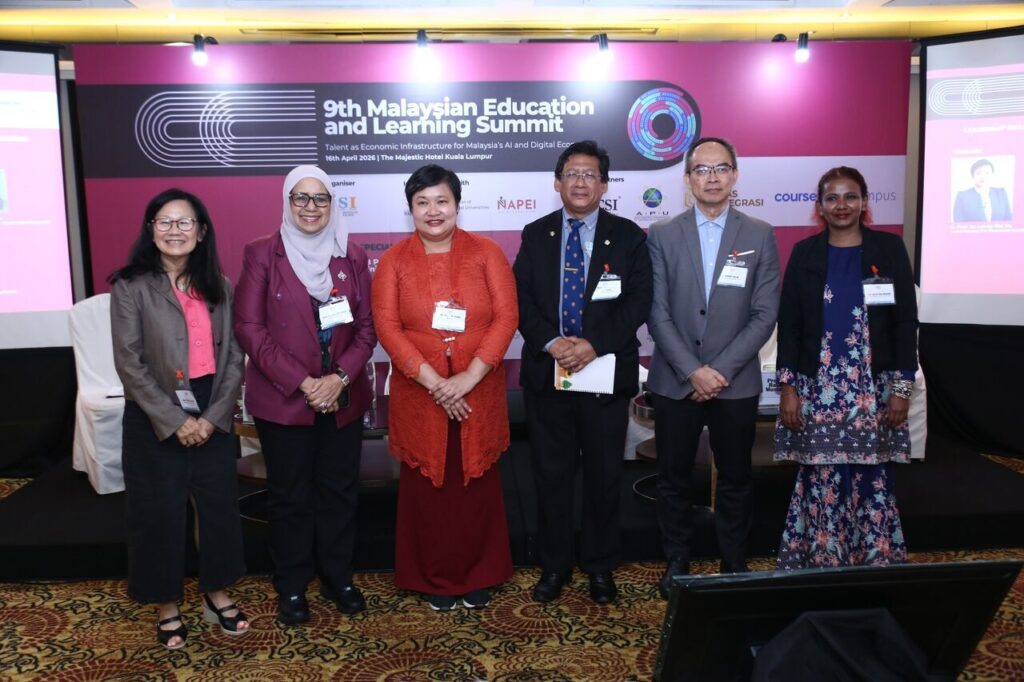
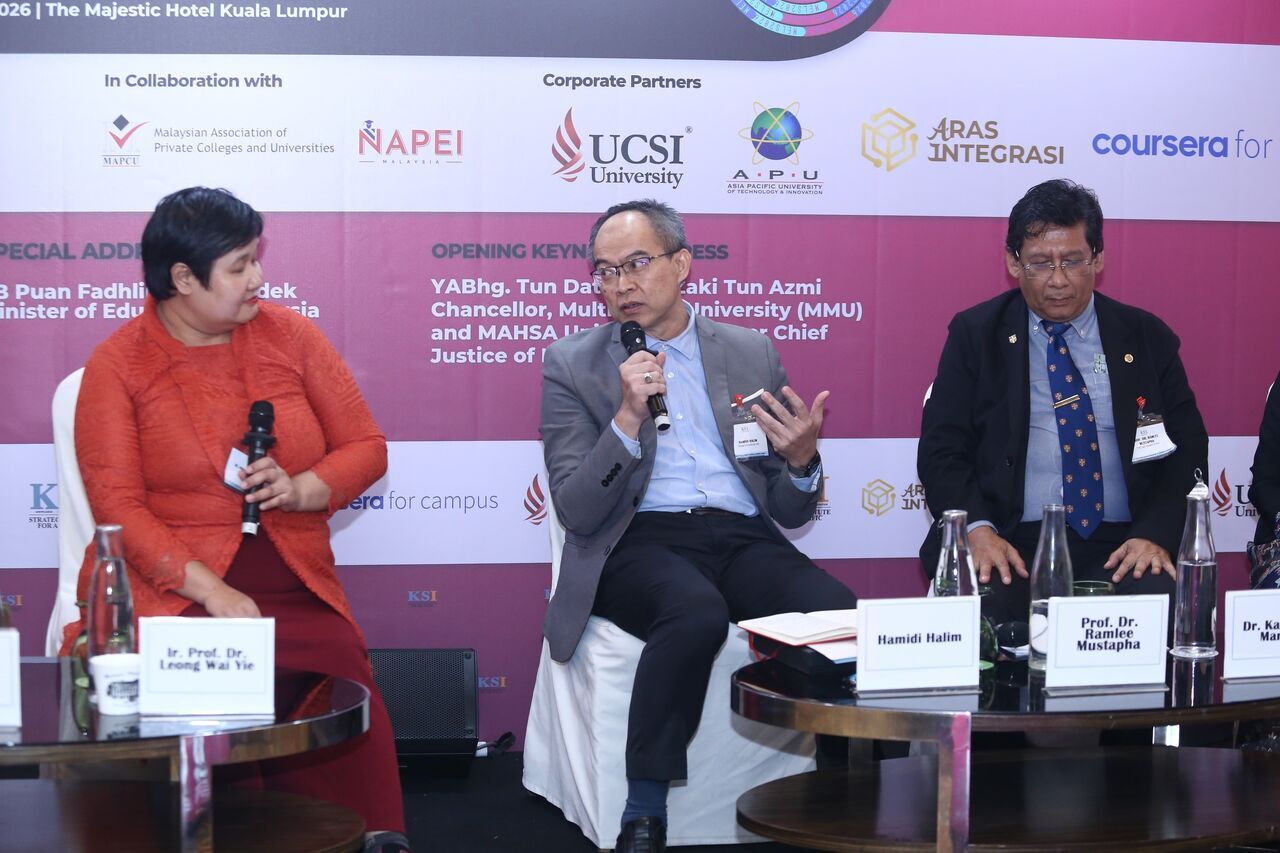
Follow up on the 9th Malaysia Education & Learning Summit!
After the panel discussion, one question stayed with me:
👉 Why has Germany been so successful in Ausbildung… and what can Malaysia realistically learn from it?
Over the past few years — through direct interaction with students, employers, and training partners — a few patterns have become very clear.
This is not theory.
This is what works on the ground.
🇩🇪 Why Germany’s System Works (and What Malaysia Can Adapt)
1. Industry Leads — Not Just Participates
In Germany, companies don’t just “support” training.
👉 They own the process.
* Companies define skill requirements
* They co-design training modules
* They train students inside real work environments
Outcome-> Students graduate already aligned with industry needs.
2. Learning = Working (From Day 1)
Ausbildung is not classroom-heavy.
👉 It is dual system learning:
~70% practical (company)
~30% theory (vocational school)
Students are:
* Paid trainees, enough to sustain their living expenses
* Embedded in real operations
* Evaluated based on real performance
Outcome-> No “fresh graduate shock” — they are already workforce-ready.
3. Clear Career Pathways (No Stigma)
In Germany:
👉 TVET is not “second choice”
It is:
* Structured
* Respected
* Financially viable
A skilled technician can:
* Progress to master craftsman
* Move into management
* Or even pursue further academic pathways
Outcome-> Students choose TVET by strategy, not by default
4. Strong Employer Commitment (Skin in the Game)
German companies invest because:
👉 They are building their future workforce
* They pay trainees
* They allocate mentors
* They absorb successful trainees into full-time roles
Outcome-> High retention + strong loyalty + consistent talent pipeline
🇲🇾 What This Means for Malaysia
From what I’ve observed:
We don’t lack talent.
We don’t lack institutions.
👉 What we need is alignment.
If Malaysia wants TVET to truly succeed:
Industry must move from advisory ➝ to ownership
Training must move from simulation ➝ to real work exposure
Students must see TVET as a strategic pathway, not a fallback
💭 Final Thought
We often ask:
👉 “How do we improve employability?”
Perhaps the better question is:
👉 “Are we designing education with the employer in mind… from the beginning?”
*Thanks to KSI Strategic Institute for Asia Pacific for the invitation & Keith Thong for the photos
#Education#TVET#FutureOfWork#Malaysia#Germany#TalentDevelopment#Leadership#Ausbildung